Views: 0 Author: Site Editor Publish Time: 2025-11-14 Origin: Site


Have you ever wondered about the real difference between dehydrated and dried fruit? Both are popular choices for healthy snacks, but they are created through different processes. In this article, we’ll explore the key differences between dehydrated and dried fruit, focusing on drying methods, texture, taste, and shelf life. By the end, you’ll know which fruit type is best for your needs.
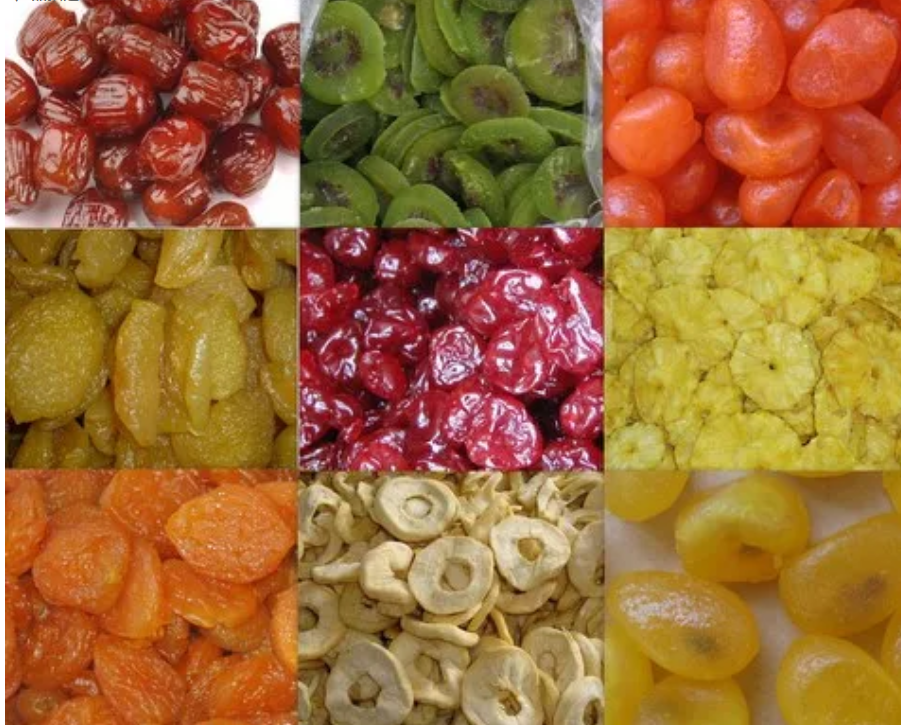
Dried fruit is made through a process that removes moisture from fresh fruit, which prevents the growth of microorganisms such as bacteria, yeasts, and molds. This method of preservation extends the fruit's shelf life, allowing it to last far longer than fresh fruit. The most common traditional drying methods are sun-drying, air-drying, and machine drying. Each of these methods focuses on removing as much water as possible, which helps concentrate the natural sugars and flavor of the fruit, giving it a sweet, chewy texture that is often desired in snacks.
Sun-Drying: This is the oldest and most natural drying method. Fruit is laid out in the sun to naturally dehydrate over the course of several days. While this method can be cost-effective, it is weather-dependent and time-consuming. Sun-dried fruit typically has a rustic flavor and texture that many find appealing. However, it is also susceptible to contamination from dust or pests during the drying process.
Air-Drying: This process uses natural air circulation, often in a warm environment, to remove moisture from fruit. It’s commonly used for fruits like apples, pears, and figs. While this method can take several days, it ensures the fruit remains in a controlled environment that reduces the risk of contamination, providing a better-quality product than sun-drying.
Machine Drying: Modern food dehydrators use controlled heat and air circulation to remove moisture from fruit in a more consistent manner. Machine drying is faster and more reliable than both sun-drying and air-drying, and it produces fruit with a consistent texture and flavor. This method is particularly popular for large-scale commercial production, providing a uniform product every time.
Some of the most popular dried fruits include raisins, apricots, figs, prunes, and apples. These fruits are not only delicious but also pack a punch in terms of nutritional benefits. Dried fruits are rich in fiber, vitamins, and antioxidants, which makes them a nutritious and energy-boosting snack. Additionally, dried fruits are easy to store and have a long shelf life, ranging from six months to a year when stored properly.
Raisins: These small, sweet dried grapes are commonly used in baking, snacks, and trail mixes.
Dates: Naturally sweet and chewy, dates are often used in energy bars or as a natural sweetener.
Apricots: Known for their tangy-sweet taste, dried apricots are rich in vitamin A and antioxidants.
The preservation of dried fruit is achieved by reducing the moisture content to a level where bacteria, yeasts, and molds cannot thrive. The process is simple but effective, and it does not require the use of any added preservatives. This makes dried fruit an excellent choice for those seeking a natural, long-lasting snack. The result is a nutrient-dense fruit that retains much of its original flavor but in a concentrated form.
Dehydrated fruit is created through methods like freeze-drying or low-heat drying. These techniques remove the moisture from the fruit at lower temperatures, which helps preserve more of the fruit’s original flavor, color, and nutrients compared to traditional drying methods. By removing water content, dehydrated fruit has a much lighter texture and crunchier consistency than dried fruit.
Freeze-Drying: This process involves freezing the fruit and then removing the moisture through sublimation (turning ice directly into vapor). This method preserves the fruit’s flavor, color, and most nutrients, resulting in a lighter, crunchier texture. Freeze-dried fruits often have a more intense flavor because they retain more of the fruit's original taste.
Low-Heat Drying: This method uses lower temperatures to remove moisture over an extended period. Although it takes longer, this method helps retain more vitamins and minerals compared to high-heat methods, making it a better choice for those looking to preserve the nutritional content of the fruit.
Examples of dehydrated fruits include freeze-dried strawberries, blueberries, mangoes, and raspberries. These fruits have a crunchy texture and a more intense flavor compared to traditional dried fruits. They are often used as ingredients in cereals, smoothies, or as toppings for snacks like yogurt or oatmeal. Due to the dehydration process, they are lighter in weight and easier to store.
One of the key differences between dried and dehydrated fruit is the nutritional retention. Dehydrated fruits, especially those that are freeze-dried, tend to retain more of their natural vitamins and minerals due to the lower temperatures used in the drying process. This makes dehydrated fruits a slightly better option for those looking to maximize the health benefits of the fruit. However, the flavor of dehydrated fruits can sometimes be more concentrated and intense, as the removal of water helps preserve the natural sugars.
The moisture content in dried fruit is usually lower than that of dehydrated fruit. Dried fruits typically contain around 20% moisture, while dehydrated fruits, particularly those that are freeze-dried, can have as little as 2% moisture. This significant difference in moisture content leads to key variations in texture, taste, and shelf life.
Dried Fruit: Dried fruit is typically chewy, dense, and often sticky, which makes it ideal for snacking. The drying process concentrates the sugars, resulting in a sweet, flavorful fruit that is easy to store and transport.
Dehydrated Fruit: Dehydrated fruit, especially freeze-dried, is lighter, crunchier, and more brittle. It retains more of the fruit's original flavor because of the low-temperature drying process, making it ideal for use in recipes where you want a more intense, concentrated fruit flavor.
| Aspect | Dried Fruit | Dehydrated Fruit |
|---|---|---|
| Texture | Chewy, dense, sticky | Light, crunchy, brittle |
| Taste | Sweet, concentrated | Intense, concentrated |
While both dried and dehydrated fruits are nutrient-dense, dehydrated fruits generally retain more vitamins and minerals due to the gentle drying methods used, such as freeze-drying. This makes dehydrated fruits a slightly better option for those seeking to preserve the maximum amount of nutritional value in their snacks.
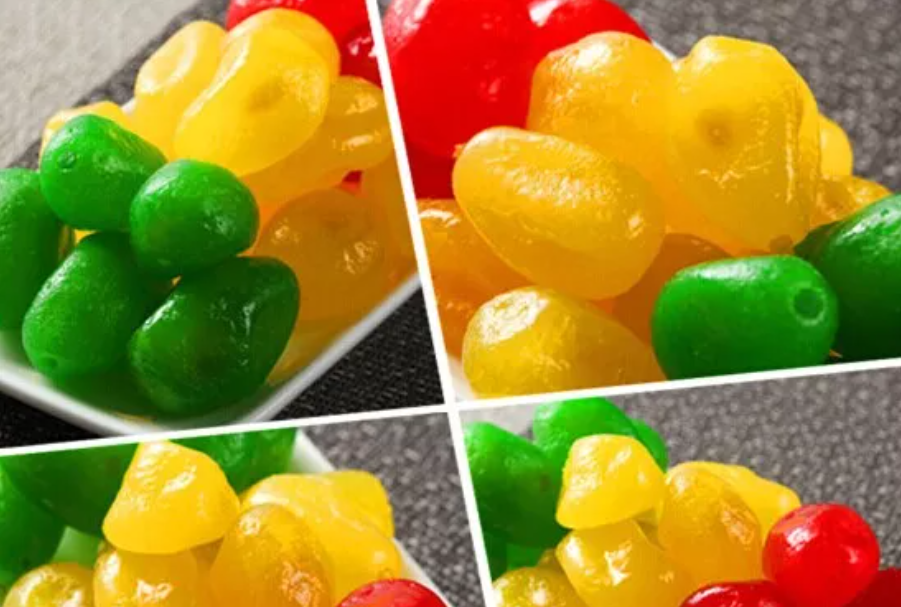
Dried fruits, when stored properly in airtight containers and kept in a cool, dry place, typically last anywhere from 6 months to a year. The shelf life of dried fruit depends on the fruit type and how well it is stored. For example, fruits like raisins, dates, and apricots tend to have a longer shelf life due to their lower moisture content, while fruits with higher moisture content, like apple slices, may have a shorter shelf life. Proper storage is key to maintaining the freshness and quality of dried fruit.
Dehydrated fruits, particularly those that are freeze-dried, have a longer shelf life than traditional dried fruits. They can last up to 2 years or even longer when stored in airtight packaging and kept in a cool, dry place. Freeze-drying preserves the fruit’s quality longer because it reduces the moisture level significantly, which prevents the growth of harmful microorganisms. Dehydrated fruit is an excellent option for long-term storage, especially for food manufacturers looking for shelf-stable ingredients.
| Fruit Type | Unopened Shelf Life | Opened Shelf Life | Storage Recommendations |
|---|---|---|---|
| Dried Fruits | 6-12 months | 1-6 months | Airtight containers, cool, dry place |
| Dehydrated Fruits | 1-2 years | 6-12 months | Airtight containers, cool, dry place or refrigeration |
To maintain the quality and extend the shelf life of both dried and dehydrated fruits, store them in airtight containers. Keep them away from direct sunlight, heat, and humidity. Refrigeration or freezing is recommended for long-term storage, especially in humid climates. Proper storage ensures that both dried and dehydrated fruits remain fresh and retain their nutritional benefits.
Dried fruits are an excellent source of fiber, antioxidants, and essential vitamins. They make for a healthy snack option that can help maintain digestive health, provide energy, and contribute to overall wellness. Due to the concentration of natural sugars during the drying process, dried fruits are also an excellent energy-boosting snack.
Dried fruits are easy to store and transport, making them a favorite among busy individuals and snack companies. They do not require refrigeration, which makes them perfect for on-the-go consumption. Whether in a snack pack, trail mix, or used as a topping, dried fruits are a convenient option for healthy eating.
Dried fruits are ideal for snack companies and bulk suppliers due to their long shelf life, versatility, and natural ingredients. These qualities make dried fruits a top choice for businesses that require a product with a reliable supply chain and minimal storage concerns. Whether used in packaged snacks, breakfast bars, or as an ingredient in recipes, dried fruits are an essential part of the food industry.
Dehydrated fruit offers a lighter, crunchier texture compared to dried fruit, making it a preferred choice for adding to cereals, smoothies, or as a garnish. The intense flavor of dehydrated fruit also adds a burst of taste to recipes and products. This makes dehydrated fruit ideal for applications where texture and flavor are both important, such as in health foods and natural snacks.
Dehydrated fruit, especially freeze-dried varieties, has an extended shelf life compared to traditional dried fruits. This makes it a great option for long-term storage and use in products that need to maintain their freshness for extended periods. For businesses, this can be a significant advantage in managing inventory and reducing waste.
Because the dehydration process preserves the fruit's original flavor more effectively than traditional drying methods, dehydrated fruits tend to have a stronger, more concentrated taste. This makes them ideal for enhancing the flavor of health foods, snacks, or even for use in beverages like smoothies.
Both dehydrated and dried fruits offer unique benefits. Understanding their differences helps in choosing the best option based on your needs. Whether you prefer a chewy, dense snack or a lighter, crunchier choice, both are excellent for health-conscious consumers. With proper drying and storage methods, you can enjoy these nutrient-packed fruits for longer.
Explore options for wholesale dried fruits at JUNAN MAX TRADE CO.,LTD., offering high-quality products to incorporate into your food products. Their dried fruits are a nutritious, shelf-stable ingredient for businesses and consumers alike.
A: Dried fruit is made by removing moisture through heat, making it chewy and dense. Dehydrated fruit, particularly freeze-dried, retains less moisture and has a lighter, crunchier texture.
A: Properly stored dried fruit can last 6-12 months unopened, and 1-6 months once opened. Ensure it’s stored in airtight containers in a cool, dry place for optimal freshness.
A: Dehydrated fruit tends to retain more nutrients due to lower drying temperatures. Both options are healthy, but dehydration may preserve more vitamins and antioxidants.
A: Yes, dried fruit is great for baking, snacks, trail mixes, and smoothies. It adds sweetness and texture to many dishes.
A: Dehydrated fruit, especially freeze-dried, has a longer shelf life due to its lower moisture content, making it ideal for long-term storage.

