Views: 0 Author: Site Editor Publish Time: 2025-11-19 Origin: Site


Have you ever wondered what makes raisins, sultanas, and currants different? These dried fruits may seem similar, but their unique processing methods and flavors set them apart. Whether you’re baking a cake, adding sweetness to your salad, or snacking on something healthy, choosing the right dried fruit matters.
In this article, we’ll explore the differences between these popular dried fruits and help you decide which one is best for your next recipe. You’ll also discover the nutritional benefits of raisins, sultanas, and currants, and how to incorporate them into your meals.
Raisins are dried grapes, typically from the Thompson Seedless variety, although other varieties like Muscat are also used. The process of making raisins involves drying the grapes, either in the sun or through mechanical dehydration, which results in their characteristic dark color and sweet, rich flavor. Raisins are commonly used in baking, cooking, and as standalone snacks. Their soft, chewy texture and concentrated sweetness make them a favorite in many recipes.
The drying process allows raisins to develop a deep, caramelized flavor that pairs wonderfully with both sweet and savory dishes. Raisins are not just a popular ingredient in cakes, muffins, and cookies, but they also work well in sauces and marinades, adding a natural sweetness that balances out spicy or tangy flavors. Their chewy texture is perfect for snacks and energy bars, and they also make an excellent topping for salads and cereals.
Sultanas, on the other hand, are made from seedless green grapes, often the variety known as "Thompson Seedless." These grapes are treated with a small amount of sulfur dioxide during processing, which helps maintain their light golden color. This gives sultanas their distinctive bright appearance and sweeter, juicier texture compared to raisins. Sultanas are also typically drier and plumper than raisins, making them a great choice for adding moisture to baked goods.
The golden hue of sultanas makes them a popular choice in lighter baked goods such as sponge cakes, muffins, and cookies, where their mild sweetness and juiciness can shine through. Sultanas are also frequently used in savory dishes, particularly in Mediterranean and Middle Eastern cuisines, where they add sweetness and a burst of moisture to pilafs, couscous, and tagines.
Currants are dried grapes, specifically from the Black Corinth variety, which are significantly smaller than raisins or sultanas. Unlike raisins or sultanas, currants are not actually related to the black currant berry, although they share the same name. Their small size and intense tart flavor make them perfect for a variety of culinary uses. Currants are often used in recipes that require a more tangy, concentrated burst of flavor, such as in traditional fruitcakes, scones, or mixed into savory dishes.
Currants’ intense tartness adds a unique twist to fruit-based desserts and is especially valued in British and European baking traditions. They can also be used to make preserves, jams, and sauces, where their sharp flavor can cut through the sweetness of other fruits. Their small size makes them perfect for adding to granola or trail mixes, providing an additional layer of texture and flavor.
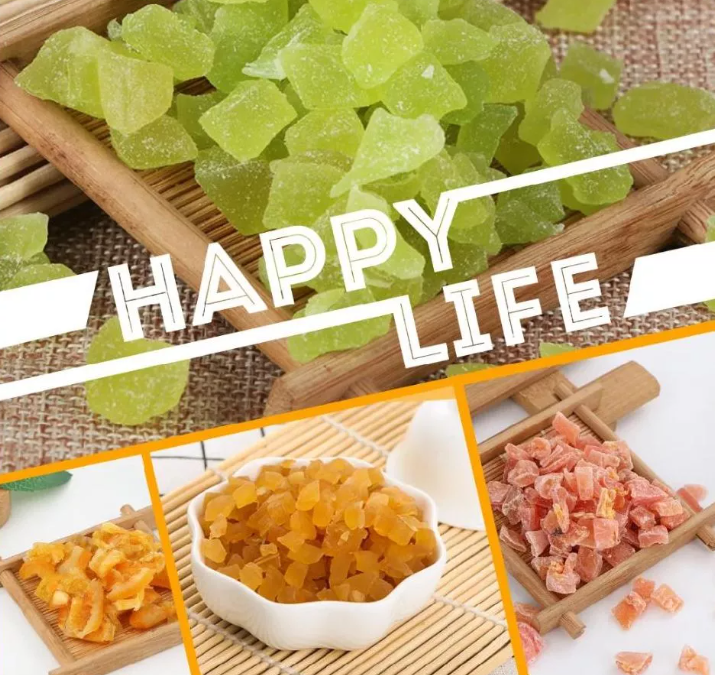
One of the most noticeable differences between raisins, sultanas, and currants is their size and texture. Raisins are the largest of the three, often soft and chewy. Sultanas are slightly smaller, plumper, and juicier. Currants, the smallest of the trio, are more shriveled and dense, with a firm bite and a more intense texture.
The texture of raisins makes them ideal for baking, where they soften and absorb some of the surrounding moisture, adding a chewy bite to muffins and bread. Sultanas, with their plump and juicy nature, are often used when moisture is needed in baked goods. Currants, with their firm and concentrated texture, are often used to create contrast in dishes, providing a burst of texture and tartness.
The flavor differences between these dried fruits are also significant. Raisins are typically sweeter and have a deep, rich flavor that comes from the drying process. Sultanas are lighter in flavor, sweeter, and juicier, making them a better fit for recipes that require a more delicate taste. Currants, in contrast, are tangy and intense, offering a sharp contrast to the sweetness of raisins and sultanas.
Raisins bring out the natural sugars in the grape during the drying process, making them a rich, flavorful addition to any dish. Sultanas have a more subtle, fruity sweetness that works well in lighter baked goods or as a topping for salads and cereals. Currants, with their tangy, tart taste, add an unexpected flavor punch to baked treats and savory dishes alike.
Raisins are dark brown or black, reflecting their longer drying process and the natural sugars they develop during drying. Sultanas have a light golden hue due to their sulfur treatment, giving them a brighter appearance and a milder flavor. Currants are typically dark, ranging from deep purple to black, with their small size contributing to their unique look.
The color of raisins makes them perfect for darker, more intense dishes like fruitcakes or stews. The golden sultanas, however, shine in lighter recipes, where their color enhances the overall appearance. Currants, being small and dark, have a distinct visual appeal that adds texture and richness to both sweet and savory dishes.
| Feature | Raisins | Sultanas | Currants |
|---|---|---|---|
| Size | Larger and softer | Smaller, plumper, juicier | Small and dense |
| Texture | Chewy and soft | Plump and juicy | Shrivelled and firm |
| Flavor | Sweet, deep flavor | Lighter, milder sweetness | Tangy, intense flavor |
| Color | Dark brown/black | Golden | Dark purple to black |
| Dried Fruit | Best for | Recipe Ideas |
|---|---|---|
| Raisins | Rich, hearty dishes | Fruitcakes, muffins, cookies, granola |
| Sultanas | Lighter, juicier options | Cakes, muffins, salads, tagines |
| Currants | Tangy, sharp flavor | Scones, fruitcakes, pilafs, couscous |
When it comes to baking, the choice of dried fruit can greatly affect the final product. Raisins are perfect for dense baked goods like cookies, cakes, and bread due to their rich flavor and chewy texture. Sultanas are ideal for lighter cakes, muffins, and pastries, as their juiciness can add moisture to the dough. Currants, with their tangy flavor, are often used in fruitcakes, scones, and other traditional baked treats where a more complex, tart note is desired.
Each dried fruit brings a unique character to baked goods. Raisins, with their deep sweetness, work best in hearty recipes that benefit from their chewy texture. Sultanas, being plump and sweet, can elevate lighter, airier bakes. Currants, on the other hand, add a burst of tartness that enhances complex flavor profiles, especially in fruitcakes or savory dishes.
While raisins, sultanas, and currants are often thought of as sweet ingredients, they can also be used in savory dishes. Raisins work well in Moroccan tagines, adding a hint of sweetness to rich, spiced stews. Sultanas, with their juicy texture, can be added to salads or grain dishes, providing a touch of sweetness. Currants, with their tartness, are a great addition to pilafs or couscous, complementing savory and spiced flavors.
These dried fruits bring versatility to the table, transforming simple dishes into something more complex and flavorful. Sultanas, with their sweetness, pair well with roasted meats or in grain-based salads. Currants’ tanginess works in savory applications, cutting through the richness of dishes like meat stews or braised vegetables.
Nutritionally, all three dried fruits are rich in fiber, antioxidants, and natural sugars. Raisins, being larger, tend to be higher in calories, but they also pack more iron and potassium. Sultanas are slightly lower in calories, but their natural sugars make them a great option for a quick energy boost. Currants, though small, offer a high level of vitamin C and are known for their antioxidant properties, making them a great choice for boosting immune health.
Raisins are a great source of iron, especially beneficial for those with low iron levels. Sultanas, being naturally sweet, are an excellent energy booster, while currants provide a powerful dose of antioxidants, helping protect the body from oxidative stress.
| Nutrient | Raisins | Sultanas | Currants |
|---|---|---|---|
| Fiber | High, aids in digestion | Moderate, promotes gut health | High, supports digestion |
| Iron | Good source | Moderate | Moderate |
| Potassium | High, supports heart health | Moderate | Low |
| Vitamin C | Low | Low | High, boosts immunity |
| Antioxidants | Moderate, fights oxidative stress | Moderate | High, helps reduce inflammation |
Dried fruits like raisins, sultanas, and currants are not just sweet snacks; they also offer a wealth of nutritional benefits. They are an excellent source of fiber, which aids in digestion and helps maintain healthy cholesterol levels. The antioxidants in dried fruits help combat oxidative stress, which can reduce inflammation and protect cells from damage. These dried fruits are also rich in minerals like iron, which supports red blood cell production, and potassium, which helps regulate blood pressure.
Incorporating raisins, sultanas, and currants into your diet provides numerous health benefits, from digestive support to enhancing your immune system. These dried fruits are easy to add to your meals, whether in smoothies, baked goods, or as standalone snacks.
Incorporating dried fruits into your diet can contribute to your overall health in several ways. Raisins, sultanas, and currants are all excellent sources of natural energy, making them ideal for snacking throughout the day. Their high fiber content promotes digestive health, and their rich mineral content supports overall well-being. Whether you enjoy them on their own, in baked goods, or as part of a savory dish, these dried fruits provide an easy and healthy way to enhance your meals.
These fruits can be a vital part of a healthy snack strategy, particularly when you need a quick, nutrient-dense option. Their natural sugars provide a quick energy boost, making them ideal for athletes, busy professionals, or anyone looking for a healthy snack.

In many recipes, raisins, sultanas, and currants can be substituted for one another depending on the desired flavor and texture. If you prefer a milder sweetness, sultanas can replace raisins in most recipes. If you want a more intense, tangy flavor, currants are an excellent substitute for raisins or sultanas, particularly in baked goods like fruitcakes.
Understanding the flavor and texture differences will help you make informed substitutions. For example, if you’re looking for a more tart profile, currants can step in for raisins or sultanas. However, if the recipe needs moisture, sultanas will be your best option.
Using raisins instead of sultanas can result in a slightly richer, sweeter dish, while substituting currants for raisins or sultanas will add a tangier note to the recipe. Keep in mind that the size and texture differences may also affect how the dried fruit blends into your dish. If using currants, which are smaller and denser, you may want to reduce the quantity slightly to avoid overpowering the other ingredients.
The substitution will also affect the final texture of the dish. Sultanas tend to retain more moisture, making them juicier, while raisins dry out more during baking. Currants, being smaller, may require adjustments to the recipe to avoid being too overwhelming in flavor.
Understanding the differences between raisins, sultanas, and currants is key to unlocking their full potential in both sweet and savory dishes. Each dried fruit brings its unique flavor profile, texture, and nutritional benefits to the table. Raisins are perfect for rich, hearty baked goods, sultanas provide moisture and sweetness to lighter recipes, and currants offer a sharp, tangy flavor for a variety of savory and sweet dishes. Whether you're using them in baking, cooking, or snacking, choosing the right dried fruit can make a significant difference in the final outcome of your recipe.
By exploring the world of dried fruits, you'll discover the perfect fruit to complement your culinary creations, enhancing both flavor and nutrition. Whether you prefer the rich taste of raisins, the juicy sweetness of sultanas, or the tartness of currants, these dried fruits offer endless possibilities for your kitchen.
JUNAN MAX TRADE CO.,LTD. provides high-quality dried fruits that help enhance your dishes. Their products offer natural flavor, moisture, and essential nutrients for both cooking and snacking. Maximize the potential of your recipes with their premium dried fruit options.
A: Raisins, sultanas, and currants are all types of dried fruit, but they differ in size, texture, and flavor. Raisins are larger, sweeter, and dark in color, while sultanas are juicier, lighter, and golden. Currants are smaller, tangier, and darker in color.
A: Raisins are perfect for rich baked goods, sultanas for lighter recipes, and currants for adding tartness to both sweet and savory dishes. Choose the right dried fruit to enhance your dish’s texture and flavor.
A: Yes, all three dried fruits are packed with fiber, antioxidants, and essential nutrients like iron and potassium. They're great for digestion, heart health, and overall nutrition when used in a balanced diet.
A: Yes, you can substitute sultanas for raisins, especially in lighter recipes where a juicier, milder fruit works better. However, be aware that sultanas are sweeter and lighter in flavor.
A: Store dried fruit in airtight containers in a cool, dry place, away from sunlight and humidity. For long-term storage, refrigeration or freezing is recommended to preserve freshness.

