Views: 0 Author: Site Editor Publish Time: 2025-11-12 Origin: Site


Ever wondered how long your favorite dried fruit lasts? While dried fruit is a convenient and healthy snack, it doesn’t last forever. The question on many minds is: "How long is dried fruit good for?" In this article, we’ll explore the factors affecting its shelf life, signs of spoilage, and tips for proper storage to extend its freshness.
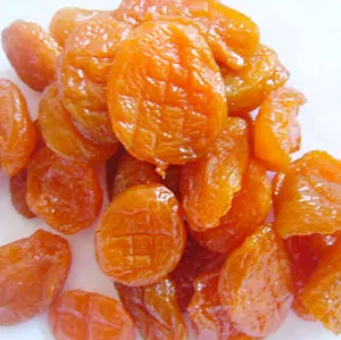
Several factors play a crucial role in determining how long dried fruit will stay fresh. The primary factors include moisture content, the type of drying process used, the fruit itself, and the storage conditions after the fruit has been dried.
Moisture Content: Dried fruit is, by definition, fruit from which most of the water has been removed. This process prevents the growth of bacteria and molds, which need moisture to thrive. However, if the fruit retains too much moisture after drying or absorbs moisture during storage, it can lead to spoilage. Ensuring that the fruit has been dried properly and stored in low-humidity conditions is essential for prolonging its shelf life.
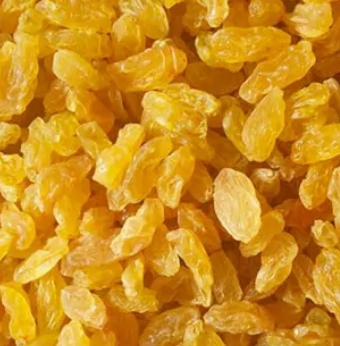
Type of Fruit: Different types of dried fruits have different natural shelf lives. For example, dried apricots, which have a slightly higher moisture content, may spoil more quickly than raisins, which are drier and more compact. Fruits that are naturally sweeter or contain more sugar, like prunes, tend to last longer due to their preservative properties.
Storage Conditions: Proper storage is essential to maintaining the quality of dried fruit. Dried fruit should be kept in cool, dry, and dark environments to prevent exposure to heat, light, or humidity, all of which can cause degradation. Storing the fruit in airtight containers helps to avoid the introduction of moisture or air, both of which can reduce its shelf life.
When stored properly, dried fruit can last for several months or even years. Here are some general guidelines for how long different types of dried fruit can last, based on their storage conditions:
Unopened Packages: Dried fruit in unopened packages can last anywhere from 6 to 12 months. This is because the packaging protects the fruit from exposure to air and moisture. However, some dried fruit varieties, such as Goji berries, can last up to two years if stored optimally in airtight packaging.
Opened Packages: Once the package is opened, the shelf life of dried fruit typically decreases to 1 to 6 months. This reduction in shelf life is primarily due to exposure to air and moisture, which can lead to oxidation and the growth of mold or bacteria. It's essential to store opened packages in airtight containers to preserve their quality and extend their usability.
| Dried Fruit Type | Unopened Shelf Life | Opened Shelf Life |
|---|---|---|
| Raisins | 6-12 months | 6 months |
| Dates | 6-12 months | 6 months |
| Prunes | 12 months | 6 months |
| Figs | 6-12 months | 6 months |
| Apricots | 6-12 months | 6 months |
| Goji Berries | 12-24 months | 6-12 months |
| Dried Mango | 6-12 months | 6 months |
| Cranberries | 6-12 months | 6 months |
| Dried Blueberries | 6-12 months | 6 months |
While dried fruit has a much longer shelf life than fresh fruit, it doesn’t last forever. If dried fruit is stored improperly or has passed its prime, it may develop signs of spoilage. Here are the key indicators to look for:
Mold: If you see any fuzziness on the fruit, often green or white in color, it’s a clear sign that the fruit has gone bad. Mold can appear on the surface of the dried fruit when moisture is introduced, and once it develops, it can spread quickly to other pieces.
Discoloration: Dried fruit that has faded or developed dark spots may be showing signs of spoilage. While some natural discoloration can occur, particularly with fruits like apricots, excessive darkening or spotting is a clear indication that the fruit is no longer fresh.
Crystallization: Some dried fruits, particularly those with higher sugar content, may develop crystallized sugar on the surface. This isn’t necessarily a sign of spoilage, but it may indicate that the fruit is losing its freshness and starting to degrade.
When dried fruit becomes too hard to chew or brittle, it likely has lost its moisture content. This can affect its taste and texture, making it less enjoyable to eat. Overly hard fruit may also become difficult to digest.
If the fruit feels unusually soft or mushy, it may have absorbed moisture from the environment and begun to spoil. This is especially common when dried fruit is stored improperly in humid conditions.
A sour, rancid, or fermented smell is a key indicator that the dried fruit is no longer safe to eat. If the fruit smells off or has a pungent, unpleasant aroma, it’s best to discard it.
If the dried fruit tastes bitter or strange, it’s likely spoiled. Even if the fruit looks fine, changes in taste can signal that the fruit is no longer good to eat.
| Spoilage Indicator | Description |
|---|---|
| Mold | Visible fuzzy patches, typically white or green in color. |
| Discoloration | Dark spots or overall color change that suggests deterioration. |
| Crystallization | Sugar crystals forming on the surface, often due to excessive moisture. |
| Texture Changes | Excessive hardness, unusual softness, or mushiness. |
| Off Odor | Sour, rancid, or fermented smell indicating spoilage. |
| Unpleasant Taste | Bitter or sour taste, or loss of the characteristic sweetness. |
| Presence of Insects | Insects or larvae visible, indicating contamination |
Proper storage is essential for extending the shelf life of dried fruit. The following methods will help keep your dried fruit fresh for as long as possible:
To prevent exposure to moisture and air, store dried fruit in airtight containers. Glass jars, plastic containers with tight-fitting lids, or vacuum-sealed bags work best to keep the fruit protected. By sealing the containers properly, you prevent the introduction of humidity and oxygen, which can lead to spoilage.
Vacuum sealing removes air from the packaging and creates a tight seal, further prolonging the shelf life by preventing oxidation and mold growth. This method is particularly effective for long-term storage.
Always store dried fruit in a cool, dry, and dark place. Exposure to heat, humidity, and light can accelerate degradation, so it’s important to keep the fruit in a controlled environment, such as a pantry, cupboard, or a dark storage area.
Adding desiccant packets to storage containers will help absorb any excess moisture, which is crucial in humid climates. These packets act as an extra layer of protection to maintain the fruit’s quality over time.
Dried fruit can be frozen for up to 3 years if stored in airtight, freezer-safe containers. Freezing halts microbial growth and preserves the flavor and texture of the fruit. It’s an ideal option if you buy dried fruit in bulk or plan to store it for an extended period.
If you plan to use dried fruit over an extended period, refrigeration can help extend its shelf life by up to 1 year or more. The cold environment slows down the natural degradation process, preserving the fruit’s flavor and texture.
| Storage Method | Description | Ideal Conditions |
|---|---|---|
| Airtight Containers | Keeps air and moisture out, preserving freshness. | Store in a cool, dry, dark place. |
| Refrigeration | Helps extend shelf life by slowing down the degradation process. | Store at 32-40°F (0-4°C) in an airtight container. |
| Freezing | Freezes the dried fruit to prevent microbial growth. | Store in freezer-safe bags or containers. |
| Vacuum Sealing | Removes air to further prevent oxidation and mold growth. | Store in a cool, dry, dark place |
If you find that your dried fruit is past its "best before" date, it’s important to assess its condition thoroughly. The "best before" date typically marks the period of peak freshness, but it’s not a definitive expiration date. While dried fruit may still be safe to eat after this date, it’s essential to evaluate its quality carefully.
The first step is to check for any obvious signs of spoilage. Look for mold, which may appear as fuzzy, discolored spots on the fruit’s surface. Any discoloration, such as dark spots or faded coloring, could also indicate that the fruit is no longer fresh. Additionally, give it a sniff—if the fruit has an off or sour smell, it’s best to discard it.
Even if the dried fruit looks and smells okay, trust your senses when it comes to taste and texture. If the fruit feels too hard, chewy, or mushy, it’s likely past its prime. While the fruit may not be unsafe to consume in these cases, its taste and texture will likely be less enjoyable. If in doubt, it’s safer to dispose of the fruit to avoid consuming something that may cause discomfort.
Even after the "best before" date has passed, proper storage can extend the life of dried fruit. If stored correctly, it can remain safe to eat for several additional months. The key is to keep the dried fruit in airtight containers, which help prevent exposure to air and moisture that could lead to spoilage.
In addition, store the fruit in a cool, dry place away from direct sunlight and heat sources. A pantry or cupboard works well, but ensure the storage area remains stable in temperature and humidity. Keeping the fruit in these optimal conditions will help preserve its quality for as long as possible, even beyond the "best before" date.
The drying process removes most of the moisture from the fruit, which inhibits the growth of bacteria and mold. Without water, spoilage is significantly slowed. This is the primary reason dried fruit has a much longer shelf life than fresh fruit.
Some dried fruits are treated with preservatives that help prolong their freshness. However, many dried fruits are naturally preserved by the drying process itself, which reduces the need for additional preservatives.
Goji Berries: With their low moisture content, Goji berries can last up to 2 years if stored properly in airtight packaging.
Prunes and Raisins: These fruits have a higher sugar content, which helps preserve them for longer periods. Proper storage can extend their shelf life for up to a year or more.
Figs: Figs, while more delicate, can last up to a year with proper storage conditions.
Dried fruit is a versatile and nutritious snack that lasts significantly longer than fresh fruit. By understanding the factors affecting shelf life, recognizing spoilage signs, and storing it properly, you can ensure your dried fruit remains safe and enjoyable. Always inspect for spoilage and store it correctly to maximize freshness and quality. With the right practices, you can enjoy dried fruit's natural sweetness for months or even years.
For those seeking high-quality dried fruits, JUNAN MAX TRADE CO.,LTD. offers a range of products that provide lasting freshness and great taste. Their commitment to quality ensures that you get the best value from every pack of dried fruit.
A: Dried fruit can last 6-12 months when stored properly in unopened packages. Once opened, it lasts about 1-6 months depending on the storage conditions.
A: Yes, dried fruit can still be safe to eat after the "best before" date. Check for signs of spoilage such as mold, discoloration, or off smells before consuming.
A: Store dried fruit in airtight containers in cool, dry places. Refrigeration or freezing can further extend its shelf life.
A: Dried fruit lasts longer because the drying process removes most of the moisture, inhibiting the growth of bacteria and mold, which causes spoilage.
A: Yes, dried fruit can still go bad if exposed to moisture, heat, or light, even in sealed packaging. Always check for signs of spoilage before consuming.

