


Dried fruit is a popular, healthy snack known for its long shelf life and nutritional benefits. It's packed with vitamins and perfect for those seeking a quick, on-the-go snack. But does dry fruit actually expire?
In this article, we’ll explore how long dried fruit lasts, what factors affect its shelf life, and how to tell if it’s gone bad. You’ll also learn how to store it properly to maximize freshness and flavor.
When we talk about dried fruit "expiring," it's important to differentiate between "expiration" and "shelf life." Expiration refers to the point at which food is no longer safe to eat due to spoilage or contamination, while shelf life refers to how long dried fruit maintains its quality, flavor, and texture before it starts to degrade. The term "best before" date is often used to indicate the optimal time for consuming the fruit, after which it may not taste as good, although it may still be safe to eat.
Dried fruit has a much longer shelf life than fresh fruit due to the absence of moisture, which helps to prevent the growth of bacteria and molds. However, this doesn't mean dried fruit lasts forever. Its quality will eventually decline, even if it’s stored correctly. Factors like storage conditions, fruit type, and whether preservatives are used can significantly influence the expiration of dried fruit. Proper storage can extend the shelf life from several months to over a year, depending on these variables.
Several factors determine how long dried fruit lasts. Understanding these can help you optimize storage practices to maximize the freshness of your fruit. Key factors include:
Type of Fruit: Different dried fruits have different shelf lives. For example, raisins, prunes, and dates can last longer than more delicate fruits like apricots or apples, due to their lower moisture content. The water content of dried fruit is a significant determinant in its longevity.
Drying Method: The method used to dry the fruit (air-dried vs. freeze-dried) affects how well it retains its quality. Freeze-dried fruits tend to last longer due to the minimal moisture they retain, as they undergo a process that removes up to 99% of the moisture.
Presence of Preservatives: Some dried fruits are treated with preservatives like sulfur dioxide to extend their shelf life. While preservatives can help prevent spoilage, dried fruit without preservatives may not last as long and may require more careful storage.
Storage Conditions: Temperature, humidity, and light exposure play critical roles in the shelf life of dried fruit. Storing dried fruit in a cool, dry, and dark environment helps to preserve its quality, while heat, moisture, and sunlight can cause it to spoil much faster.
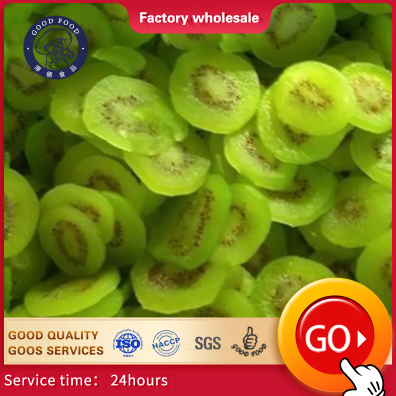
The shelf life of dried fruit can differ significantly depending on whether the package is opened or not.
Unopened Dried Fruit: When stored in a cool, dry, and dark place, unopened dried fruit can typically last anywhere from 6 months to 1 year. However, this can vary by fruit type and packaging. Some dried fruits, such as goji berries and dates, can last up to 2 years if stored optimally. Always check the manufacturer's instructions for storage guidance. Keep in mind that different brands may use different drying techniques or preservatives, which can affect shelf life.
Opened Dried Fruit: Once opened, dried fruit is exposed to air, moisture, and contaminants. As a result, its shelf life decreases significantly. Opened dried fruit can last anywhere from 1 to 6 months, depending on how it is stored. It’s essential to seal the package tightly after each use and store it in a cool, dry place to prevent spoilage.
The shelf life of popular dried fruits can vary based on their moisture content and storage conditions. Below is a general guide to how long you can expect different types of dried fruit to last:
| Dried Fruit | Unopened Shelf Life | Opened Shelf Life |
|---|---|---|
| Raisins | 6-12 months | 6 months |
| Dates | 6-12 months | 6 months |
| Prunes | 12 months | 6 months |
| Apricots | 6-12 months | 6 months |
| Goji Berries | 12-24 months | 6-12 months |
| Cranberries | 6-12 months | 6 months |
Note: These are general guidelines. Actual shelf life may vary based on storage conditions, preservatives used, and whether the fruit is air-dried or freeze-dried.
Dried fruits with lower moisture content, such as prunes and raisins, generally last longer. This is because moisture is one of the primary factors that promotes the growth of mold and bacteria, which can shorten the fruit’s shelf life. On the other hand, fruits like apricots and apples, which retain more moisture, tend to spoil more quickly.
Freeze-dried fruits last much longer than air-dried varieties due to the minimal moisture they retain. For example, freeze-dried strawberries can last up to 25 years when sealed properly, compared to a typical year for air-dried fruit.
| Drying Method | Moisture Retention | Shelf Life | Best For |
|---|---|---|---|
| Air-Drying | Higher moisture content | 6 months to 1 year | Traditional fruits (raisins, apricots) |
| Freeze-Drying | Extremely low moisture content | Up to 25 years | Fruits for long-term storage, emergency food |
The first sign of spoiled dried fruit is often visual. Look for the following signs:
Mold: Fuzzy patches, usually white, green, or black.
Discoloration: Dark spots or a general color change can indicate spoilage. Some fruits may darken naturally over time, but drastic color changes should raise a red flag.
Crystallization: Sugar crystals forming on the fruit's surface might indicate excessive moisture exposure. While some crystallization is normal, excessive sugar formation could mean the fruit has been stored improperly.
The texture of dried fruit can also reveal whether it's gone bad:
Excessive Hardness: If the dried fruit becomes too hard, it may have lost too much moisture and is no longer safe to eat.
Mushiness: If the dried fruit feels unusually soft, sticky, or mushy, it may have absorbed moisture and started to spoil. This is especially true if the fruit was originally firm.
Sour or Bitter Taste: If the taste turns unpleasant, it’s best to discard the fruit. Sour or bitter flavors often indicate fermentation or the development of mold.
Spoiled dried fruit often emits unpleasant odors such as sour, rancid, or fermented smells, signaling that it’s no longer safe to eat. These odors indicate bacterial or mold growth, which can lead to health risks. Additionally, if you notice visible insects, larvae, or webbing in the packaging, it’s a clear sign that the fruit has been contaminated and should be discarded immediately.
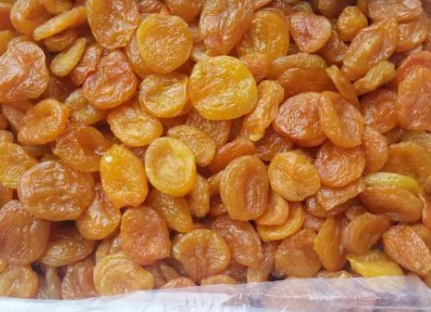
To maximize the shelf life of your dried fruit, store it in airtight containers in a cool, dry place. Avoid exposure to light and heat, as both can degrade the fruit over time. Glass jars, resealable bags, and vacuum-sealed bags are excellent options for keeping dried fruit fresh.
It’s also important to keep dried fruit away from sources of humidity. High humidity can cause the fruit to absorb moisture, increasing the risk of spoilage. Ideally, store dried fruit in a pantry or cupboard that is well-ventilated, and avoid keeping it near stoves, ovens, or windows where sunlight can reach it.
If you want to prolong the shelf life of dried fruit even further, refrigeration or freezing is a great option:
Refrigeration: Storing dried fruit in the fridge can extend its freshness by 6 months to 1 year, particularly for fruits with higher fat content like dried coconut.
Freezing: Freezing dried fruit can preserve it for up to 3 years. Make sure to use airtight containers to prevent freezer burn. Freezing also prevents the growth of mold and bacteria, keeping the fruit in prime condition.
When buying dried fruit in bulk, consider dividing it into smaller portions. This reduces the exposure to air, moisture, and contaminants each time you open a portion. This method can help maintain the quality of the remaining fruit for a longer period. Smaller portions also allow for easier use without opening an entire package, which can lead to faster spoilage.
| Storage Method | Purpose | Effectiveness |
|---|---|---|
| Airtight Containers | Prevents moisture and air exposure | High |
| Refrigeration | Extends freshness for 6-12 months | Moderate |
| Freezing | Prolongs shelf life for up to 3 years | Very High |
| Portioning | Reduces exposure to air and contaminants | Moderate |
Consuming expired dried fruit can pose health risks if mold or bacteria have developed. Mold can produce mycotoxins, which are harmful to health. These toxins can lead to allergic reactions, respiratory issues, and digestive problems. While dried fruit past its "best before" date may not necessarily make you sick, it’s essential to check for signs of spoilage before eating. If the fruit shows signs of mold, off-smells, or discoloration, it's better to discard it.
In many cases, dried fruit past its "best before" date is still safe to eat, as the date is often about quality rather than safety. However, always inspect for mold, discoloration, and off smells. If any of these signs are present, it’s better to discard the fruit. In the absence of these signs, you can likely consume the fruit, but its taste and texture might be compromised.
Before consuming dried fruit, always check its appearance, smell, and texture:
Look: Check for mold, discoloration, or unusual crystallization.
Smell: If it smells sour or fermented, don’t eat it.
Touch: If the texture feels off, either too hard or too soft, it’s best to avoid consuming it.
When in doubt, trust your senses. If the dried fruit looks, smells, or feels off, it’s safer to discard it. The risks of consuming spoiled dried fruit far outweigh the waste, especially when it comes to health.
Dried fruit is a great, long-lasting snack, but it does expire eventually. To ensure it stays fresh and safe to eat, store it properly in airtight containers, away from light and moisture. Always check for signs of spoilage before consuming, especially after the "best before" date. With the right care, you can enjoy dried fruit at its best for several months or even years.
Dried fruit is an ideal snack, and products from JUNAN MAX TRADE CO.,LTD. offer excellent quality, ensuring that consumers get the best value with proper storage. Their products provide superior shelf life and freshness, making them a trusted choice for healthy snacking.
A: Yes, dry fruit does expire. While it has a longer shelf life than fresh fruit, it eventually loses flavor and texture. Proper storage can extend its freshness for several months to a year.
A: Unopened dry fruit typically lasts 6-12 months, depending on the type and storage conditions. Once opened, its shelf life is generally 1-6 months.
A: Store dry fruit in airtight containers in a cool, dry place, away from direct sunlight. Refrigeration or freezing can further extend its shelf life.
A: Look for mold, discoloration, off smells, or a sour taste. If the texture becomes overly hard or mushy, the fruit may have spoiled.
A: Dry fruit can often be safe after its "best before" date if stored properly and shows no signs of spoilage. However, it may lose its quality over time.

