Views: 0 Author: Site Editor Publish Time: 2025-09-20 Origin: Site


Choosing the right source of peanuts is critical for businesses seeking consistent quality, timely delivery, and suitable varieties for specific applications. Peanuts are produced around the world in varying volumes and qualities, and the country of origin often impacts taste, processing characteristics, and logistical efficiency. This article provides a detailed overview of the top five peanut-producing countries, offering insights on production regions, key varieties, export focus, and buyer considerations to help businesses make informed sourcing decisions while highlighting Max Fruit’s commitment to delivering high-quality peanuts for international markets. Understanding the global production landscape allows buyers to align procurement strategies with product goals, whether aiming for premium flavor, cost-efficiency, or reliable supply chains.
As of 2024, the largest peanut producers globally are China (19.0 million metric tons), India (10.13 million metric tons), Nigeria (4.3 million metric tons), the United States (2.53 million metric tons), and Sudan (2.5 million metric tons). These countries together supply a major share of the global peanut market, each presenting unique advantages and challenges for buyers in terms of quality, price, and export logistics. Evaluating these differences helps businesses plan sourcing schedules, anticipate seasonal availability, and optimize costs without compromising on peanut quality. Awareness of production volumes and regional strengths ensures better decision-making for manufacturers, food processors, and bulk peanut distributors.
China remains the world’s largest peanut producer, with key cultivation areas across Henan, Shandong, Guangdong, Hebei, and Hubei provinces. The country grows a wide range of varieties, including Red Natal, Spanish, and Bold types, serving both domestic processing and international markets. Chinese peanuts are favored for their size uniformity and adaptability to multiple processing methods, such as blanching and roasting. Buyers should consider that the peak harvest season occurs from late summer to early fall, and major ports such as Shanghai, Tianjin, and Qingdao facilitate smooth export operations. With a variety of grades available, businesses can source peanuts suitable for snack manufacturing, peanut butter production, or bulk export, making China a versatile choice for global procurement. Additionally, Chinese suppliers often offer flexible packaging and logistics solutions, which is particularly valuable for buyers managing multi-destination shipments.
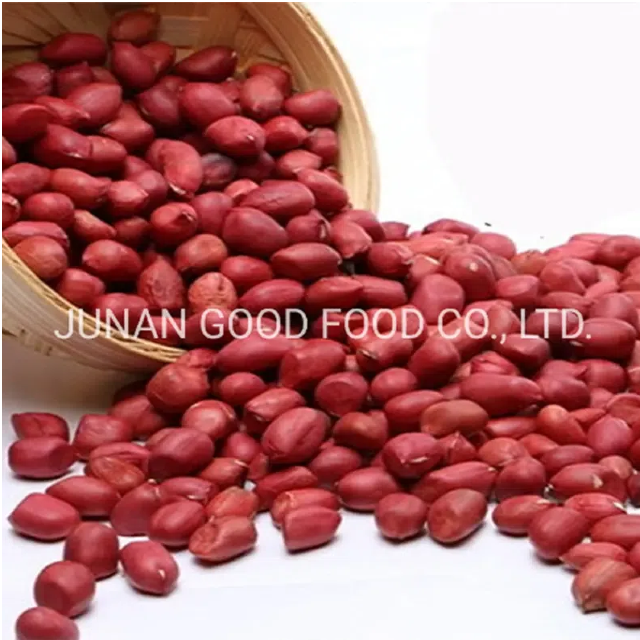
India is the second-largest peanut producer, with Gujarat, Andhra Pradesh, Tamil Nadu, and Karnataka accounting for most of the output. Known for high-quality peanuts such as Red Natal and Bold varieties, India serves a broad international market where consistent size and flavor are highly valued. The country provides various processing options, including blanched and roasted peanuts, and frequently certifies shipments to meet export quality standards. Buyers sourcing from India can expect reliable quality control and batch testing, making it a strong choice for clients seeking premium peanuts for confectionery, snacks, and processed food applications. Efficient port access and established export channels further support timely delivery for global buyers. Moreover, India’s focus on sustainable farming and traceability ensures that imported peanuts meet growing consumer demand for ethically sourced ingredients.
Nigeria produces a significant volume of peanuts, mainly in the northern regions including Kaduna, Kano, Bauchi, Sokoto, Kwara, and Zamfara. Nigerian peanuts are widely consumed domestically for oil production and snack use, while exports are growing to regional markets and beyond. The main varieties include local types suited for both processing and consumption, although quality can vary due to infrastructure constraints. Buyers should arrange consignment inspections to ensure standards are met and consider that export consistency may be influenced by seasonal and logistical factors. For price-sensitive sourcing, Nigerian peanuts provide cost-effective options without sacrificing the essential attributes needed for bulk processing. Partnerships with experienced suppliers can help overcome local challenges, ensuring buyers receive reliable quality for international distribution.
The United States, primarily in Georgia, Alabama, Texas, and North Carolina, produces high-quality peanuts known for their uniformity and suitability in products like peanut butter and roasted snacks. Runner and Virginia varieties dominate U.S. production, offering consistent size, flavor, and low aflatoxin levels. One of the major advantages for buyers sourcing from the U.S. is the strong food safety infrastructure, which ensures full traceability from farm to shipment. These high standards make American peanuts ideal for markets requiring premium quality, organic certification, or stringent regulatory compliance. Although prices are higher compared to some other origins, the reliability and consistency make U.S. peanuts a dependable choice for long-term sourcing. Additionally, U.S. suppliers often provide advanced logistics support and storage solutions, further guaranteeing product quality during transit.
Sudan’s peanut production is concentrated in Kordofan, Darfur, and Gedaref regions, where the climate supports large-scale cultivation. The country produces varieties suitable for both local consumption and emerging export markets, with a focus on bulk and oil-grade peanuts. Buyers considering Sudan must account for variable quality and infrastructure limitations, making partnerships with trusted suppliers essential. Strategic sourcing from Sudan can offer competitive pricing, particularly for clients who balance cost considerations with quality requirements. Despite logistical challenges, Sudan represents a growing contributor to global peanut supply, especially for buyers seeking alternative origins to diversify their sourcing base. Suppliers often work closely with international buyers to manage shipping schedules and quality inspections, making Sudan a viable option for expanding procurement strategies.
Selecting the optimal peanut origin requires evaluating trade-offs among price, quality, and delivery timelines. Countries like Nigeria and Sudan provide cost advantages but require careful quality control and inspection. For premium-quality peanuts with strong traceability, India and the U.S. are preferred, offering consistent grades, certified processes, and established export channels. China offers a balance of volume, diverse varieties, and reliable shipping, making it a versatile choice for different production needs. Buyers should align sourcing decisions with their operational priorities, whether focusing on cost-efficiency, premium attributes, or timely delivery schedules. Considering regional seasonal variations, port capacities, and customs regulations is also essential for minimizing delays and ensuring supply continuity.
Max Fruit leverages a multi-origin sourcing strategy to meet diverse buyer specifications. By matching product types, including blanched, roasted, and organic peanuts, with the most suitable origins, we ensure optimal flavor, size, and quality. Rigorous quality control throughout procurement and processing guarantees consistency that meets international standards. Additionally, our logistics expertise ensures that products are delivered efficiently, regardless of origin. This approach allows Max Fruit to provide customized solutions that support snack manufacturers, food processors, and exporters with reliable, high-quality peanuts for every requirement. By carefully coordinating sourcing and processing, Max Fruit helps buyers optimize cost, quality, and delivery timing for both short-term orders and long-term contracts.
Understanding the differences in peanut production by country is essential for making informed sourcing decisions. Buyers can select origins based on quality, price, and logistical convenience while ensuring consistency and safety. Max Fruit is dedicated to supplying high-quality peanuts tailored to your needs, from bulk dried peanuts to blanched, roasted, and organic varieties. With multi-origin sourcing expertise, strict quality assurance, and reliable logistics, we provide solutions for buyers seeking both premium and cost-effective peanuts. Contact us today to discuss your requirements and discover the best sourcing options for your business.

