Views: 0 Author: Site Editor Publish Time: 2025-04-08 Origin: Site


Macadamia nuts are prized worldwide for their rich, buttery flavor and delicate crunch—qualities that make them a favorite ingredient in gourmet snacks and baked goods. However, their high oil content makes them highly susceptible to spoilage, especially in bulk quantities. For wholesalers and B2B buyers, recognizing the early signs of deterioration in bulk macadamia nuts is essential. Spoiled nuts can lead to significant financial losses and tarnish your brand’s reputation if substandard products reach customers.
This article will guide you through the main causes of macadamia spoilage, how to identify warning signs early, and best practices for procurement and storage to keep your bulk nuts fresh longer.
Macadamia nuts have a unique composition that contributes to both their delicious flavor and vulnerability to spoilage. Their high content of monounsaturated fats—which are heart-healthy—also means they oxidize faster than many other nuts if not stored properly.
When exposed to oxygen, fats in macadamia nuts undergo a chemical reaction called oxidation, producing rancid compounds that cause off-flavors and unpleasant odors. This process can be accelerated by heat and light exposure. The nut’s natural oils are fragile, and once oxidation begins, it’s irreversible, meaning the nut cannot be restored to freshness.
Improper storage with excess moisture or contaminants can lead to microbial spoilage. Mold growth, while less common in properly dried macadamias, can develop in humid or unventilated conditions, further degrading taste and safety. Microbial contamination not only affects flavor but may also pose health risks.
Bulk macadamia nuts are often transported and stored in large containers or drums. If these containers are exposed to fluctuating temperatures or humidity, nuts can absorb moisture, leading to texture changes and potential fungal development. Poor packaging that allows air infiltration exacerbates spoilage.
In addition to oxidation, enzymatic reactions within the nut can cause lipid hydrolysis, breaking down fats into free fatty acids, further accelerating rancidity and off-flavors. These biochemical processes intensify under warm, moist conditions or when nuts are physically damaged.
Early identification of spoilage is vital for B2B buyers handling bulk macadamia nuts. Sensory evaluation remains the most practical approach for quality checks before integrating nuts into your product lines.
A fresh macadamia nut has a mild, buttery aroma. Spoiled nuts emit sour, rancid, or even paint-like chemical odors due to fat breakdown. If you detect any sharp or unpleasant smell from your bulk stock, further testing or rejection is advised.
Spoiled nuts often lose their crispness. They may feel soft, sticky, or rubbery, indicating moisture absorption or microbial activity. Conversely, overly dry, crumbly nuts could signify aging or excessive drying.
Bitterness, sourness, or a soapy aftertaste are classic signs of oxidation. Always taste test a small sample from different parts of your bulk shipment before approving its use.
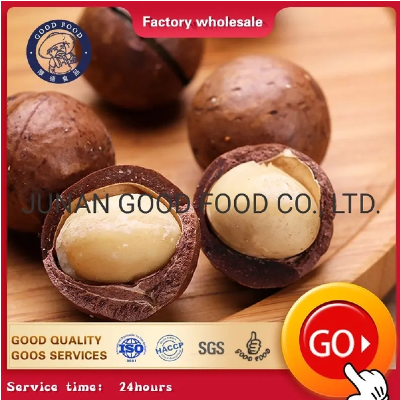
Look for discoloration such as yellowing or dark spots on the kernels. Fresh nuts have a consistent ivory to golden hue, while spoiled nuts can appear blotchy or mottled due to oxidation or heat damage.
Though not detectable by simple sensory checks, peroxide value and free fatty acid levels measured in labs offer scientific confirmation of spoilage. Elevated PV and FFA indicate lipid oxidation and degradation—important quality parameters for bulk buyers sourcing premium nuts.
Preventing spoilage starts with rigorous supplier vetting and verification procedures during procurement.
Insist on documentation showing when the nuts were harvested and packaged. Fresh macadamia nuts generally maintain peak quality for up to 12 months if raw and 6–9 months if roasted, assuming ideal storage. Older stock requires more stringent inspection.
Request detailed information about how nuts were stored before shipment. Were they kept in climate-controlled warehouses? Were bulk drums vacuum-sealed or nitrogen-flushed? How was shipping handled—via refrigerated containers or standard freight?
This knowledge helps anticipate shelf life and plan your inventory management accordingly.
Max Fruit Co., Ltd. partners exclusively with producers who follow best practices in harvesting, processing, and packaging. Our supply chain includes:
Nitrogen-flushed or vacuum-sealed bulk packaging
Temperature-controlled warehousing and transport
Full traceability and quality certifications
Partnering with suppliers committed to freshness drastically lowers spoilage risk for B2B buyers.
Ask suppliers for third-party lab testing reports including moisture content, aflatoxin levels, peroxide values, and microbial tests. These certifications provide an added layer of assurance about product safety and freshness, crucial for compliance with international food safety regulations.
When bulk shipments arrive, perform your own incoming inspection including sensory checks, random sampling, and moisture testing. Early detection of issues allows prompt action such as quarantine or return before integration into production.
Once your bulk shipment arrives, how you store and handle macadamia nuts can make a significant difference in preserving their quality.
Store nuts at temperatures below 20°C, ideally in climate-controlled environments. Avoid exposure to sunlight or heat sources which accelerate fat oxidation.
Keep nuts in airtight drums or metallized bags with nitrogen flushing to minimize oxygen contact. After opening, re-seal containers tightly or transfer nuts to smaller airtight packages.
Humidity above 65% promotes mold growth and texture deterioration. Use desiccants or moisture absorbers inside storage containers if possible. Store nuts away from strong-smelling materials or chemicals to prevent odor transfer.
Always rotate stock using the first-in, first-out principle. Clearly label bulk shipments with arrival and expiry dates to ensure older stock is used first, minimizing the chance of spoilage due to long storage.
Perform periodic sensory checks on stored nuts and consider lab testing for rancidity markers if storage extends beyond recommended periods.
Purchasing bulk macadamia nuts is a complex task requiring careful risk management:
Diversify sourcing to avoid dependence on a single region or supplier vulnerable to weather or logistic disruptions.
Negotiate contracts with clear quality specifications, delivery schedules, and penalties for substandard product.
Invest in supplier audits and farm visits to verify cultivation and processing standards.
Develop contingency plans for unexpected supply chain interruptions, including buffer inventory and alternative suppliers.
Train procurement and warehouse staff in quality recognition and proper handling to minimize in-house spoilage.
Max Fruit provides comprehensive supply chain support to help buyers implement these risk mitigation strategies effectively.
Handling bulk macadamia nuts requires expertise and care from purchase to storage. Many wholesale buyers underestimate how quickly nuts can degrade without proper oversight. Spoiled nuts can cause batch rejections, loss of client trust, and damage to your supply chain credibility.
Working with experienced suppliers like Max Fruit offers the advantage of:
Verified freshness through documented harvest-to-shipment tracking
Packaging designed for extended shelf life and safe transport
Dedicated customer support to guide storage and handling best practices
Our commitment to quality helps B2B buyers protect product integrity, minimize returns, and maintain a reputation for excellence.
Spoilage is a hidden but serious risk when buying bulk macadamia nuts. Understanding what causes degradation and learning to identify early warning signs can save your business time and money. Coupled with proper procurement strategies and best storage practices, you can maximize freshness and protect your brand’s reputation.
At Max Fruit Co., Ltd., we are dedicated to delivering premium, fresh macadamia nuts sourced from trusted growers and processed with strict quality controls. Reach out today to learn more about how our bulk macadamia nuts meet your exacting standards and help safeguard your supply chain against spoilage.
Contact us now to secure your supply of fresh, top-quality bulk macadamia nuts with confidence.

