Views: 0 Author: Site Editor Publish Time: 2025-10-23 Origin: Site


Boiled peanuts are soft and tasty, but do they need refrigeration? Keeping them cold preserves both flavor and safety. In this article, you will learn how to store peanuts properly, including cooling methods, choosing the right containers, and best fridge placement. Follow these tips to enjoy fresh peanuts without worry or spoilage.
The shelf life of boiled peanuts depends on several key factors. First, the quality of the peanuts prior to boiling significantly impacts how long they last. Freshly harvested peanuts naturally retain moisture and nutrients longer. Second, the boiling method and duration influence microbial reduction. Fully boiled peanuts resist spoilage better than undercooked ones. Lastly, storage containers and environment matter; airtight containers prevent air and moisture exposure, slowing spoilage.
Even with careful storage, peanuts can spoil. Look for changes in odor, such as sour or off smells, which often indicate bacterial growth. Texture is another key indicator; sliminess or an overly soft feel signals deterioration. Mold growth, visible as white, green, or black spots, requires immediate disposal. These signs ensure you avoid consuming unsafe peanuts.
Sign | Indicator |
Odor | Sour or off-putting smell |
Texture | Slimy or unusually soft |
Appearance | Discoloration or mold spots |
Boiled peanuts left at room temperature, especially in warm climates, can quickly develop bacteria and mold. Extended exposure to heat accelerates spoilage, altering flavor and texture. Consuming peanuts stored improperly may lead to foodborne illness. For safety, room temperature storage should not exceed 24 hours.
Refrigeration slows microbial growth while maintaining the peanuts’ moisture and flavor. It helps the peanuts remain tender and savory, preserving the authentic boiled peanut experience. Additionally, refrigeration allows gradual consumption over several days without quality loss. Overall, it provides both safety and convenience.
Before refrigerating boiled peanuts, it is essential to allow them to cool to room temperature. Placing hot peanuts directly in the fridge can raise the internal temperature, potentially affecting other stored foods and creating conditions favorable to bacterial growth. To cool peanuts evenly, spread them on a shallow tray or dish, avoiding stacking, so heat can dissipate uniformly. Once cooled, transfer them to airtight containers to lock in moisture and prevent contamination. Proper cooling also reduces condensation, which helps maintain the peanuts’ texture and extends shelf life.
Selecting the right storage container is vital for maintaining boiled peanut freshness. Airtight containers are preferable to plastic bags because they minimize air and moisture exposure, which can compromise texture and taste. Containers should fit the quantity of peanuts appropriately; oversized or overfilled containers may trap air, accelerating spoilage. Glass, BPA-free plastic, or vacuum-sealed containers all work effectively. Dividing large batches into smaller portions further limits repeated air exposure, making it easier to manage portions while preserving overall quality.
Where you place boiled peanuts in the refrigerator significantly impacts their shelf life. The coldest area, usually the back of the bottom shelf, provides consistent temperatures and slows microbial growth. Avoid storing peanuts in the fridge door, where frequent opening causes temperature fluctuations. Maintaining the refrigerator temperature below 40°F (4°C) is critical to preserving freshness. Consistent placement ensures that peanuts retain moisture, flavor, and the soft texture that distinguishes them from roasted varieties.
Labeling boiled peanut containers with the preparation date helps track freshness, especially for large batches stored in multiple containers. Portioning peanuts into smaller servings reduces air exposure each time you access them and makes reheating easier. Small portions also minimize the risk of spoilage and simplify serving at gatherings, ensuring safety and convenience. This approach allows for better inventory management while maintaining the peanuts’ optimal taste and texture throughout the week.
Boiled peanuts stored in airtight containers typically last about seven days in the fridge. This period allows them to remain safe to eat while retaining their soft texture and rich flavor. Using sealed plastic bags may reduce the shelf life slightly, while vacuum-sealed containers can extend freshness up to two weeks. Exceeding these storage durations can compromise quality, even if spoilage signs are not immediately apparent. Regularly checking peanuts for odor, texture, or mold ensures safety while enjoying this Southern delicacy.
Storage Method | Shelf Life |
Airtight Container | Up to 7 days |
Plastic Bag (sealed) | 5–7 days |
Vacuum-Sealed Bag | 10–14 days |
The initial freshness of peanuts directly affects their refrigerated longevity. Freshly harvested peanuts retain quality longer, often lasting 7–10 days, whereas older or slightly aged peanuts may only last 3–7 days. Using fresh, unprocessed peanuts enhances boiled peanuts refrigeration tips effectiveness, allowing optimal texture and flavor preservation. Choosing high-quality peanuts at the start ensures a safer and more enjoyable snack experience, while older peanuts may spoil faster despite proper storage methods.
The method and thoroughness of boiling influence how long peanuts stay fresh in the fridge. Fully boiled peanuts, cooked until soft but not mushy, resist spoilage better than partially boiled or undercooked ones. Undercooked peanuts may retain bacteria, reducing safe storage duration. Maintaining a consistent cooking method across batches allows for predictable shelf life and uniform quality, ensuring each serving meets taste and safety expectations.
Frequent fridge door openings or temperatures above the recommended 40°F (4°C) can accelerate spoilage, even if peanuts are in airtight containers. Short-term temperature spikes may increase microbial growth and compromise texture. Keeping peanuts in the coldest part of the fridge and minimizing exposure to fluctuating temperatures ensures longer-lasting freshness. Stability in storage conditions is crucial for both safety and maintaining the characteristic soft, salty flavor of boiled peanuts.
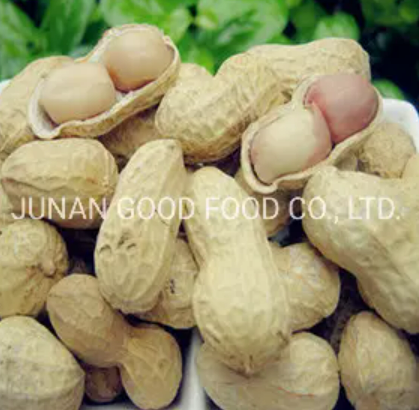
Freezing is an excellent way to extend boiled peanuts’ storage life up to 9–12 months. Before freezing, peanuts must be cooled completely to prevent ice crystal formation, which can damage texture. Use airtight or vacuum-sealed containers and label with the freezing date for easier tracking. Proper freezing preserves flavor, texture, and moisture more effectively than long-term refrigeration alone, making it ideal for bulk batches or occasional consumption.
Thaw frozen peanuts in the refrigerator overnight or for faster results, use a cold water bath. Reheat in a microwave, on the stovetop, or in the oven, ensuring the internal temperature reaches 165°F (74°C) to maintain safety. Avoid refreezing previously thawed peanuts, as repeated freezing may compromise texture and safety. Reheating in small batches preserves flavor while preventing overcooking or drying out, keeping peanuts close to their freshly boiled consistency.
Boiled peanuts can remain at room temperature for up to 24 hours without significant risk. Ensure they are stored in a clean, covered container and kept away from direct sunlight or heat sources. Beyond this period, the risk of bacterial growth and spoilage rises considerably, so refrigeration is recommended. Short-term, safe room temperature storage allows for convenient serving during gatherings or while traveling without compromising safety.
Airtight containers reduce exposure to air and moisture, slowing spoilage and preserving both flavor and texture. Vacuum-sealed bags enhance preservation further by minimizing oxygen contact. Both methods help extend the life of boiled peanuts whether stored in the fridge or freezer. Removing excess air before sealing maximizes effectiveness and maintains peanuts’ soft, moist consistency.
Refrigeration maintains ready-to-eat peanuts with preserved texture for immediate consumption, while freezing extends storage for months. Freezing may slightly alter texture but generally preserves flavor better than keeping peanuts in the fridge for extended periods. Choosing between these methods depends on consumption frequency and batch size, with freezing being ideal for long-term storage and refrigeration best for short-term enjoyment.
Tip: Freeze only fully cooled peanuts to avoid ice crystal damage and moisture loss.
Room temperature storage offers convenience but accelerates spoilage, especially in warm environments. Refrigeration ensures safety and preserves freshness for several days. Taste may differ slightly, as chilled peanuts feel firmer, but reheating can restore softness. This flexibility allows for varying serving preferences while maintaining safety.
Canning allows boiled peanuts to be stored at room temperature for up to a year using salted brine and pressure canning. While convenient, canned peanuts may not match the fresh flavor and texture of recently boiled and refrigerated batches. It is a suitable method for long-term pantry storage but may require seasoning adjustments when opened.
Pre-packaged boiled peanuts are convenient but often lack the flavor and texture of homemade batches. Homemade boiled peanuts allow full control over seasoning, cooking, and storage conditions. Proper refrigeration and freezing of homemade peanuts maximize shelf life and maintain quality, making them preferable for enthusiasts who prioritize flavor and freshness.
Prevent cross-contamination by using clean utensils and separate storage containers. Keep boiled peanuts away from raw meats, seafood, or other potential contaminants. Proper segregation reduces foodborne illness risks and maintains overall food safety.
Avoid over-drying peanuts in the refrigerator, as this can alter texture and flavor. Adjust seasoning after refrigeration if needed. Retaining moisture ensures peanuts remain soft, tender, and flavorful, preserving the signature boiled peanut experience.
Always reheat peanuts thoroughly before serving. Use serving utensils instead of hands to reduce contamination risk. Proper handling preserves both safety and quality, ensuring enjoyable consumption at gatherings or personal meals.
Boiled peanuts pair well with fried chicken, coleslaw, cornbread, or similar dishes. Store them separately to prevent flavor transfer. Proper storage ensures that peanuts maintain their distinct taste while complementing other foods.
Refrigeration keeps boiled peanuts fresh and safe. Cool peanuts first, use airtight containers, and store in the coldest fridge area. Portioning and freezing extend shelf life. JUNAN MAX FOOD CO.,LTD. offers high-quality peanuts that maintain flavor and texture, helping you enjoy safe, delicious snacks every time.
A: Yes, refrigeration slows bacterial growth and preserves flavor. Proper Boiled peanuts refrigeration tips include cooling to room temperature and storing in airtight containers.
A: Boiled peanuts shelf life in fridge is generally 7 days in airtight containers. Vacuum-sealed bags can extend it up to 14 days.
A: Short-term storage up to 24 hours is safe, but extended exposure risks spoilage. Storing boiled peanuts safely means refrigerating for longer freshness.
A: Use airtight containers, cool peanuts fully, and place in the coldest fridge section. Portioning helps maintain freshness.
A: Freezing extends storage up to 9–12 months. Fully cooled peanuts in vacuum-sealed or airtight containers retain flavor and texture.
A: Spoilage often occurs due to undercooked peanuts, older stock, or temperature fluctuations. Following Boiled peanuts refrigeration tips prevents this.
A: Yes, reheat to 165°F (74°C) using a microwave, oven, or stovetop. This ensures safety and preserves taste.
A: Homemade boiled peanuts allow control over cooking and seasoning. Using proper How to store boiled peanuts methods keeps them fresher longer.

