


Rabbits are curious nibblers, but can they eat peanuts safely? Peanuts are high in fat and protein, which can cause digestive issues and long-term health problems. In this guide, you will learn the risks of feeding peanuts to rabbits and discover safe alternatives and practical tips for a healthy diet.
Rabbits are strict herbivores, meaning their digestive systems are designed to process fibrous plant materials. Foods high in fat or protein, like peanuts, can disrupt gut flora, leading to bloating and discomfort. Unlike humans, rabbits rely on continuous gut motility to digest their meals efficiently. Introducing legumes or fatty snacks interrupts this process, increasing the risk of gastrointestinal stasis, a potentially life-threatening condition.
Rabbits thrive on hay and leafy greens, which promote healthy gut bacteria and facilitate smooth digestion. Feeding peanuts introduces unnatural nutrients, causing digestive stress and potential long-term harm. Their bodies are adapted to a low-calorie, high-fiber diet, not energy-dense nuts.
Feeding rabbits peanuts may cause gastrointestinal stasis, bloating, and diarrhea. High-fat, high-protein foods ferment in the rabbit’s cecum, producing gas and discomfort. Over time, repeated exposure to inappropriate foods can lead to chronic digestive disturbances, reduced nutrient absorption, and behavioral changes due to discomfort. Peanuts, even in small amounts, are risky because rabbits cannot efficiently process the fat and protein content.
Fiber is critical for maintaining gut motility and overall health. Grass hay, leafy vegetables, and high-fiber pellets provide nutrients while keeping digestion smooth. Fiber slows digestion, preventing spikes in blood sugar and promoting regular fecal output. Without sufficient fiber, rabbits face increased risks of gut stasis, obesity, and dental problems.
Peanuts are high in fat and protein but low in fiber, making them incompatible with rabbit nutrition. Even occasional feeding may cause weight gain and digestive upset. While trace nutrients exist, they do not justify including peanuts in a rabbit’s diet. A focus on hay and fresh vegetables remains the safest approach.
Nutrient | Amount in Peanuts | Potential Impact on Rabbits |
Protein | High | Digestive strain and kidney stress |
Fat | High | Obesity, liver issues, gut fermentation |
Carbohydrates | Moderate | Risk of bloating and diarrhea |
Calcium | Moderate | Kidney stone formation in adults |
Sugars | Trace | Unnecessary calories, gut imbalance |
Peanuts provide a dense source of energy unsuitable for rabbits. Their digestive systems are not built for high-calorie, high-fat foods. The imbalance between protein, fat, and fiber content poses immediate and long-term health risks.
High-fat foods like peanuts can lead to obesity and strain the liver. Fat fermentation in the gut produces gas, leading to bloating and discomfort. Rabbits consuming peanuts may show reduced activity and digestive irregularities. Long-term exposure increases the likelihood of chronic health problems, including cardiac and liver stress.
Excess protein can overwhelm rabbit kidneys, causing strain and potential organ damage. Rabbits are not adapted to metabolize high-protein foods efficiently, making peanuts an unsuitable snack. Even minimal feeding requires caution and veterinary guidance.
Peanuts contain calcium and other minerals that can disrupt the delicate balance in rabbits. Adult rabbits, in particular, are prone to kidney stones, which high-calcium foods exacerbate. The trace benefits of peanuts do not outweigh the potential risks to renal health and digestion.
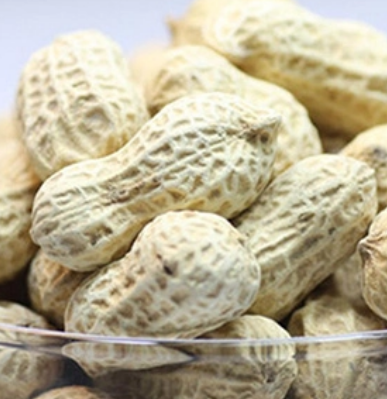
Whole peanuts pose a choking hazard due to their hard shells, while peanut butter contains added sugar and fat. Both forms are unsafe for rabbits, and their consumption can lead to digestive problems, obesity, and other health issues. Even “natural” peanut butter should be avoided unless specifically approved by a veterinarian.
Many owners believe small amounts of peanuts are harmless. However, even minor exposure can trigger digestive disturbances. Safe limits, if ever considered, should be guided by veterinary advice, emphasizing minimal quantity and infrequent feeding. In practice, complete avoidance is recommended.
Peanuts may contain aflatoxins and other anti-nutrients harmful to rabbits. These compounds affect liver function and overall digestive health. Exposure can cause acute symptoms such as lethargy, diarrhea, and loss of appetite, while chronic ingestion leads to organ stress and reduced lifespan.
Veterinarians universally advise against feeding peanuts to rabbits. Fiber-rich, low-fat diets are essential for optimal health. Experts highlight that even occasional peanuts can lead to preventable digestive and metabolic issues.
Real-world accounts frequently report digestive distress following peanut consumption. Owners note bloating, diarrhea, and lethargy, even with small amounts. Sharing these experiences reinforces the importance of adhering to safe feeding practices.
Chronic exposure to fat-heavy treats increases risks of obesity, gastrointestinal disorders, and dental problems. Rabbits on high-fat diets may have reduced lifespan and lower quality of life. Avoiding peanuts entirely preserves long-term health and vitality.
Leafy greens and fresh vegetables provide essential fiber, vitamins, and minerals while remaining low in fat, making them ideal for rabbit diets. Carrot tops, parsley, romaine, and kale help satisfy a rabbit’s natural chewing instincts and maintain healthy gut motility. Regular inclusion of these vegetables supports digestion, encourages natural foraging behaviors, and prevents boredom in their daily diet. Rotating vegetables ensures balanced nutrition and reduces the risk of selective eating, keeping rabbits both healthy and engaged.
Hay is a cornerstone of a rabbit’s diet, essential for maintaining proper dental health and digestive function. Timothy, oat, and alfalfa hay provide fiber that promotes cecal fermentation and prevents gastrointestinal stasis. Adding small amounts of different hay types introduces variety, encourages chewing, and satisfies natural grazing instincts. Consistent access to hay also helps wear down teeth that grow continuously, preventing dental issues that are common in domestic rabbits. Fiber treats, such as compressed hay sticks, are a safe and enjoyable alternative to high-fat snacks like peanuts.
Fresh herbs such as basil, mint, and cilantro are excellent low-calorie flavor enhancers for rabbits. They provide taste stimulation and encourage exploration of new foods without adding fat or protein that could disrupt digestion. Introducing herbs gradually allows rabbits to experience diverse flavors while supporting dietary enrichment and mental stimulation. Herbs also promote natural foraging behavior and can be used as rewards in training or bonding activities. Regular rotation of herbs keeps meals interesting and ensures rabbits maintain a balanced nutrient intake.
Small portions of fruits like apples, blueberries, and strawberries can be offered occasionally as treats, but they should never replace staple foods. Fruits are high in natural sugars, so limiting quantities prevents digestive upset, diarrhea, or obesity. Avoid dried fruits and sugar-laden snacks, as they are more concentrated and can overwhelm a rabbit’s sensitive gut. When serving fruit, slice it into small pieces and monitor the rabbit’s reaction. This approach allows rabbits to enjoy variety safely while preserving gut health and preventing metabolic complications.
Commercially available rabbit treats can supplement the diet if carefully selected for low fat and no legumes. Reading ingredient labels is critical to avoid hidden peanuts, sugars, or excessive fats that can harm digestion and overall health. Treats should be used sparingly to maintain the dominance of hay and vegetables in the diet. Offering a variety of commercial treats in moderation keeps rabbits engaged without introducing harmful nutrients. Choosing certified, vet-approved options ensures treats are both safe and nutritionally appropriate.
Portion control is crucial to prevent obesity and maintain optimal health. Treats, even safe ones, should be offered sparingly and adjusted according to a rabbit’s size and age. Maintaining hay and vegetables as the primary diet ensures high fiber intake and supports digestion. Overfeeding snacks can quickly lead to weight gain, digestive issues, and long-term health problems. Tracking food amounts and scheduling treat times encourages healthier habits while giving rabbits a predictable routine.
New foods should be introduced gradually over several days to prevent digestive upset. Monitor rabbits for bloating, changes in stool, or signs of discomfort during this period. Slowly integrating vegetables, herbs, or fruits allows the gut microbiome to adjust, minimizing the risk of stasis or diarrhea. Observing behavior and appetite ensures that any adverse reactions are caught early. A stepwise introduction strategy also encourages acceptance of diverse foods, expanding safe dietary options.
Regular observation of digestive health is essential. Signs like bloating, diarrhea, decreased appetite, or lethargy indicate potential problems that require veterinary attention. Maintaining routine checks allows early detection of nutritional deficiencies, obesity, or dental issues. Tracking weight and behavior trends over time supports proactive care, ensuring a long, healthy life. Immediate consultation is critical if accidental peanut ingestion occurs, as even small amounts can cause acute or chronic digestive disturbances.
A well-balanced diet typically consists of 80% hay, 15% fresh vegetables, and 5% pellets, with constant access to fresh water. This combination ensures adequate fiber, essential vitamins, and hydration while preventing overconsumption of calorie-dense foods. Daily monitoring of intake, portion sizes, and food rotation maintains digestive health and prevents obesity. Structured feeding routines encourage consistent habits and allow caregivers to notice early signs of dietary intolerance or illness.
Wild rabbits encounter diverse plants in their natural habitat but rarely consume energy-dense legumes like peanuts. Their digestive systems are adapted to high-fiber diets and frequent grazing. Domestic rabbits, however, are less adaptable and more sensitive to high-fat, high-protein foods. Even minimal exposure to peanuts can upset their gut flora, highlighting the importance of strict dietary management for pet rabbits compared to their wild counterparts.
If a rabbit accidentally consumes peanuts, it is crucial to observe them for signs of digestive distress such as bloating, diarrhea, or lethargy. Immediate consultation with a veterinarian can prevent serious complications and ensure timely treatment. Even small accidental ingestion should not be ignored, as peanut-related toxins or excessive fat can affect the liver, kidneys, and gastrointestinal system. Prompt monitoring supports safe recovery and prevents long-term health consequences.
Prevention is the most effective strategy against accidental peanut consumption. Store peanut products securely, design rabbit-safe environments, and educate all household members about dietary hazards. Avoid leaving snacks within reach and provide only approved food items. Ensuring that everyone in the household understands the risks of peanuts protects rabbits from hidden threats.
Peanuts are unsafe for rabbits due to fat and protein content. Hay and leafy greens are better alternatives. JUNAN MAX FOOD CO.,LTD. offers high-quality peanut products with reliable nutrition, ensuring safe and valuable options for pet owners seeking quality snacks.
A: Rabbits should avoid peanuts. High fat and protein can cause digestive upset. Opt for safe rabbit treats alternatives to peanuts like hay and leafy greens.
A: Peanuts disrupt gut flora and can lead to obesity or gastrointestinal issues. Following a rabbit diet guide avoiding peanuts ensures proper fiber intake and healthy digestion.
A: Peanut poisoning symptoms in rabbits include bloating, diarrhea, reduced appetite, and lethargy. Immediate veterinary care is recommended if ingestion occurs.
A: Keep peanuts stored securely and educate family members. Use safe rabbit treats alternatives to peanuts to reduce temptation and ensure proper nutrition.
A: Yes, both are unsafe. Peanut butter adds sugar and fat, while whole peanuts may cause choking. Stick to hay, vegetables, and low-fat treats as alternatives.
A: Even small amounts can trigger digestive upset. Consistent avoidance and providing safe rabbit treats alternatives to peanuts is the best approach.
A: Replace peanuts with high-fiber hay, leafy greens, and occasional low-sugar fruits. This approach supports digestion while providing variety and enrichment.

