Views: 0 Author: Site Editor Publish Time: 2025-10-23 Origin: Site


Peanuts are naturally gluten-free, but are Planters peanuts safe for those avoiding gluten? Cross-contamination and ingredient processing may pose risks. In this article, you’ll learn the Planters peanuts gluten free status, potential hazards, and safe eating tips, giving you actionable guidance to include peanuts safely in a gluten-free diet.
Gluten is a protein found in wheat, barley, and rye. For individuals with celiac disease, consuming gluten triggers an immune response that damages the small intestine lining. This reaction can lead to malabsorption of nutrients, fatigue, digestive issues, and long-term health concerns. Even people with gluten sensitivity may experience bloating, headaches, or nausea. Peanuts themselves are naturally gluten-free, but understanding gluten’s effect on the body is essential for informed dietary choices.
While peanuts are naturally free from gluten, processing environments may introduce cross-contamination. Facilities that handle gluten-containing products risk exposing peanuts to wheat proteins. For sensitive consumers, even trace gluten can trigger symptoms. Recognizing potential contamination points helps ensure safer peanut consumption.
Common gluten sensitivity symptoms include abdominal pain, diarrhea, bloating, fatigue, and skin irritations. Some people experience subtle cognitive effects, such as brain fog or mood changes. For peanut consumers managing these symptoms, knowing whether Planters peanuts are safe for celiac is a top concern. Choosing certified gluten-free products reduces the likelihood of triggering adverse reactions.
Peanuts, a legume, contain no wheat, barley, or rye. Their natural gluten-free state makes them a suitable base for snacks and peanut butter. When purchased as raw or roasted peanuts, they are inherently safe for a gluten-free diet.
Despite being naturally gluten-free, Planters peanuts cross-contamination risk exists due to shared manufacturing lines. Products labeled “may contain wheat” or produced in facilities handling gluten ingredients may pose a threat. Awareness of these risks is vital for consumers managing celiac disease.
Different peanut varieties carry varied risks. Dry roasted peanuts may have higher cross-contamination chances than boiled peanuts. Honey-roasted or chocolate-covered options include additional ingredients that could contain gluten. Checking product labels is essential for safe consumption.
Careful label reading is key. Look for allergen warnings, ingredient lists, and certification seals indicating gluten-free status. Labels provide direct insight into the Planters peanuts gluten free status, helping consumers avoid unintended gluten exposure.
Peanuts are harvested, dried, shelled, and roasted to enhance flavor. Roasting temperatures and handling procedures do not introduce gluten, but subsequent packaging steps may. Understanding this process allows consumers to identify where cross-contamination can occur.
After roasting, peanuts undergo sorting and packaging. Shared machinery with gluten-containing products increases the risk of contamination. Implementing dedicated lines or segregation during production minimizes this Planters peanuts cross-contamination risk.
Planters implements strict quality control, including inspections for mold, damage, and foreign materials. Regular testing and monitoring reduce the risk of gluten contamination, but they cannot guarantee complete absence without dedicated gluten-free facilities.
Processing Stage | Potential Gluten Risk | Safety Measures |
Harvesting & Drying | Low | Natural peanut shells prevent exposure |
Roasting | Low | Controlled roasting temperatures |
Sorting & Packaging | Medium | Dedicated lines or careful segregation |
Labeling & Distribution | Low | Certification & allergen warnings |
Selecting certified gluten-free peanut products is essential for individuals managing celiac disease or gluten sensitivity. These certified items undergo rigorous testing and meet strict standards to confirm their Planters peanuts gluten free status. Choosing verified brands reduces the likelihood of accidental gluten exposure and provides peace of mind. For consumers purchasing in bulk or for commercial purposes, opting for clearly labeled, tested peanuts ensures both safety and consistent quality across batches.
Preparing peanut mixes at home allows full control over the ingredients, reducing the risk of hidden gluten. Combining raw or roasted peanuts with gluten-free dried fruits, seeds, or spices creates a nutritious, customized snack. Homemade mixes also allow adjustment of flavors, portion sizes, and nutritional content. This method is particularly helpful for sensitive individuals, as it completely eliminates the possibility of cross-contamination that can occur in shared manufacturing facilities or with processed snack products.
Proper storage is critical to maintaining a gluten-free environment. Peanuts should be kept in airtight containers and stored separately from gluten-containing foods. This precaution prevents cross-contact in kitchens, pantries, or commercial settings. In addition, labeling storage containers clearly ensures that family members or staff handling the products are aware of dietary restrictions. By adopting these measures, consumers and B2B operators can confidently manage peanuts as a safe, gluten-free snack option.
Healthcare providers and dietitians are invaluable resources for guidance on safe peanut consumption. Individuals with celiac disease or severe gluten sensitivity can benefit from personalized advice, helping them navigate cross-contamination risks. Professionals can also provide recommendations on portion sizes, suitable peanut varieties, and alternative gluten-free snack options. Consulting experts ensures that consumers maintain both dietary safety and nutritional balance while enjoying peanuts regularly.
Peanuts are nutrient-dense, providing protein, healthy fats, fiber, vitamins, and minerals in every serving. These nutrients support heart health, satiety, and sustained energy, making peanuts a superior snack option compared to many processed alternatives. Their combination of protein and healthy fats is especially valuable for gluten-free diets that might lack whole-grain sources. Including peanuts strategically in meal plans or snack routines enhances both nutrition and overall dietary satisfaction for consumers.
While almonds, walnuts, and cashews are also naturally gluten-free, they differ in protein, fat, and micronutrient composition. Peanuts are cost-effective, widely available, and versatile for snacking or culinary applications. For those analyzing gluten content, Planters peanuts gluten content analysis shows a naturally safe profile when avoiding cross-contamination. Comparing nutrition labels helps consumers make informed choices based on dietary goals, cost, and convenience, ensuring peanuts fit seamlessly into a balanced gluten-free diet.
Processed peanut products, such as peanut butter, bars, and chocolate-coated peanuts, may contain hidden gluten or flavoring additives. Careful review of ingredient lists, allergen statements, and certifications is essential for safe inclusion. Selecting items labeled gluten-free, or preparing peanut snacks at home, minimizes risk. Incorporating peanut-based products thoughtfully allows individuals to enjoy convenient, flavorful options without compromising gluten-free dietary restrictions.
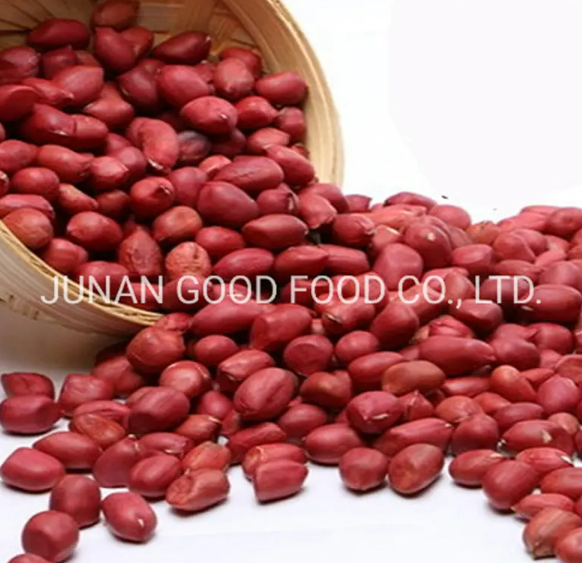
Peanuts themselves are naturally gluten-free, but cross-contamination risks remain. Individuals with celiac disease should prioritize certified gluten-free options and consult healthcare professionals before frequent consumption. Following this guidance ensures that peanuts remain a safe and nutritious part of their diet while avoiding unexpected gluten exposure.
Flavored varieties, such as honey-roasted, chocolate-coated, or seasoned peanuts, may introduce gluten through coatings or added ingredients. Always verify labels, prioritize certified gluten-free products, and consult manufacturer information. This approach helps prevent accidental gluten intake while still allowing enjoyment of diverse peanut flavors.
Consumers can identify safe peanuts by checking for gluten-free certification, reading allergen statements, and referencing manufacturer guidance. Cross-verifying multiple sources increases confidence in product safety. This is particularly important for sensitive individuals who cannot tolerate even trace amounts of gluten.
Other brands and homemade mixes offer additional safe options. By controlling ingredients and preparation methods, individuals can minimize Planters peanuts cross-contamination risk. These alternatives provide flexibility and assurance for maintaining a gluten-free diet while enjoying peanuts as a reliable source of protein and healthy fats.
Peanuts deliver essential nutrients, including protein, fiber, healthy fats, and micronutrients. They support heart health, enhance satiety, and provide convenient, portable snacks. Integrating peanuts into a gluten-free diet contributes to balanced nutrition and sustained energy, making them a versatile option for everyday consumption.
Shared manufacturing lines, flavored coatings, and added ingredients create a potential risk for gluten exposure. Individuals with celiac disease or severe gluten sensitivity must exercise caution and scrutinize labels carefully. Awareness of these risks enables informed choices and reduces the likelihood of accidental gluten intake.
Mitigation strategies include selecting certified gluten-free products, preparing homemade peanut mixes, and storing peanuts separately from gluten-containing foods. These steps collectively reduce cross-contamination, ensuring safe consumption. Following these practices allows consumers to enjoy the nutritional benefits of peanuts while maintaining compliance with gluten-free dietary requirements.
Planters peanuts are naturally gluten-free, yet cross-contamination risks exist. Choosing certified products or homemade mixes ensures safety. JUNAN MAX FOOD CO.,LTD. provides high-quality peanuts that meet gluten-free standards, helping consumers enjoy peanuts confidently while maintaining health and nutrition.
A: Yes, peanuts themselves are naturally gluten-free. However, understanding Planters peanuts cross-contamination risk is essential for sensitive consumers.
A: Planters peanuts do not contain gluten ingredients, but cross-contact may occur during processing. Certified gluten-free products are safest.
A: Sensitive individuals should check labels. Are Planters peanuts safe for celiac depends on certification and avoiding products with potential gluten exposure.
A: Look for certification seals, allergen statements, and manufacturer guidance. Planters peanuts gluten content analysis can help verify safety.
A: Some honey-roasted or chocolate-coated peanuts may contain gluten. Always confirm Planters peanuts gluten free status before consumption.
A: Keep peanuts in airtight containers, separate from gluten-containing foods. This reduces Planters peanuts cross-contamination risk at home.
A: Certified products undergo testing for gluten. They ensure safe inclusion in a diet concerned with Planters peanuts gluten content analysis.
A: Yes, preparing snacks at home allows control over ingredients and prevents cross-contamination, supporting a reliable gluten-free diet.

